Creating an Oasis for Pollinators
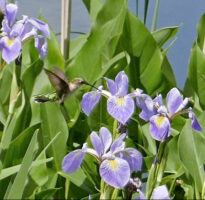
Homeowners have an opportunity to restore native habitat for pollinators, birds, and other wildlife.
Master Gardeners of Northern Virginia
Over 40 Years of Growing Gardens and Gardeners

Homeowners have an opportunity to restore native habitat for pollinators, birds, and other wildlife.
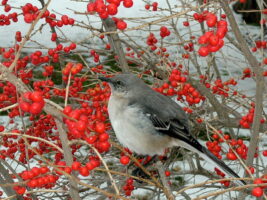
In 2021, Master Gardeners of Northern Virginia will introduce Landscape for Wildlife, a new series of educational posts on Facebook which will run weekly on Thursday mornings starting Jan. 7. Landscape for Wildlife will focus on the services that native species can provide to endangered pollinators, birds, small mammals, and other wildlife when homeowners include them in residential landscapes.
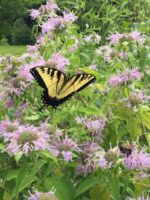
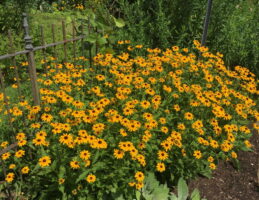
Many of the wildflowers seen along local roadways or on day-trips to the beach or mountains (those yellow, orange, purple or pink blurs) can be viewed close-up in the Glencarlyn Library Community Garden in Arlington, VA.
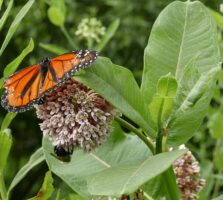
The shape, color, structure and odor of a flower usually determine the type of pollinators it attracts. A flower requires a pollinator that will visit it regularly and successfully transfer pollen in and/or between it and other flowers of its species to ensure fruit and seed production. For the service of pollination, the flower provides a reward: usually food such as nectar and/or pollen. Thus plants and their pollinators enjoy a mutualistic relationship.
Judy Funderburk looks back at the year in the Glencarlyn Library Community Garden