Spring Beauty or Beast?
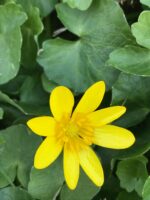
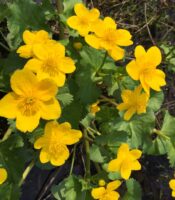
When spring finally arrived in the DC metro area, a rather showy groundcover had already made its presence known – lesser celandine or Ranunculus ficaria.
Despite its visual appeal, this groundcover is highly invasive.
Master Gardeners of Northern Virginia
Over 40 Years of Growing Gardens and Gardeners

When spring finally arrived in the DC metro area, a rather showy groundcover had already made its presence known – lesser celandine or Ranunculus ficaria.
Despite its visual appeal, this groundcover is highly invasive.
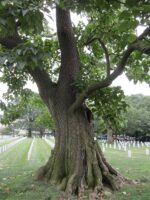
Anyone who visits Arlington National Cemetery (more than 4 million people do so every year) knows that America’s most hallowed ground, the final resting place of more than 400,000 service members, veterans and their spouses on 624 acres, is also a sanctuary for lovers of flowers and trees.
Fact sheets for fifteen native ground covers are featured on the MGNV web site under “Tried and True Native Plant Selection for the Mid-Atlantic.” Here are some additional species that are native to our region and that are suitable for use in the home landscape.
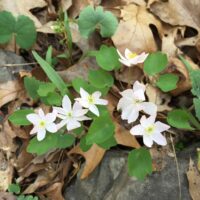
Learn about native spring ephemerals that bloom in April and May.
THE MYTH: Till vegetable gardens every year.
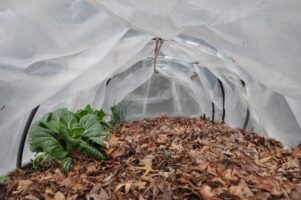
THE REALITY: For hundreds of years, an annual rite of spring has been to till the garden to get it ready for planting. However, current evidence indicates that annual tilling really isn’t necessary, and may actually harm the garden instead of helping it.
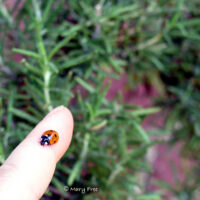
If you are outside working in your garden, or just enjoying the many flowers that bloom throughout the growing season, then you may happen upon ladybugs or lady beetles. The most common ones in this area, though, are not native to North America.