VCE Survey
VCE's Arlington office is currently conducting a community needs assessment and needs your input.
Master Gardeners of Northern Virginia
Over 40 Years of Growing Gardens and Gardeners

VCE's Arlington office is currently conducting a community needs assessment and needs your input.
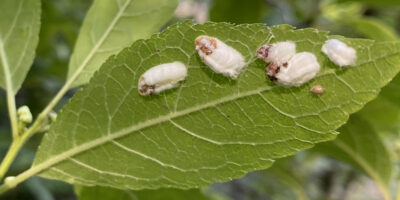
The word scale may instill some dread in those of us who have overindulged in a meal or two, but to a gardener it may conjure up a sap-sucking insect and honeydew—no, not the melon—which promotes the growth of unsightly sooty mold on plants. To learn more about these terms, go directly to the Illustrated Glossary page by clicking here.
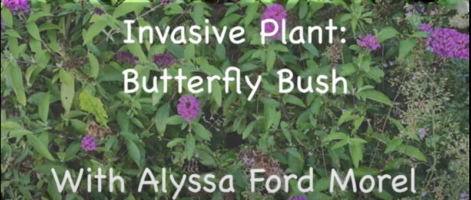
The Glencarlyn Library Community Garden coordinators have created a new series of short videos about locally invasive plants and native alternatives. This series looks at individual invasive plants, discussing how to remove them and suggesting native plants to consider as replacements. This month's post is on the Butterfly Bush , Buddleia davidii.
Tried and True Native Plant Selections for the Mid-Atlantic
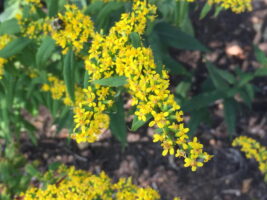
This graceful, well-behaved goldenrod is found in upland woods and clearings throughout eastern North America, especially in deciduous forests where oak trees are dominant. Its delicate composite flowers attract many late-season pollinators, including native specialist bees.
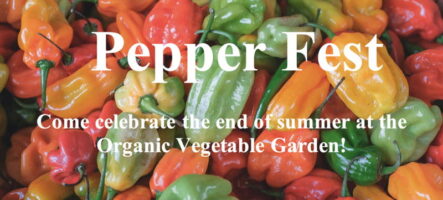
CORRECTED DATE! Pepper Fest! Come celebrate the end of summer at the Organic Vegetable Garden!
Sunday September 17 @ 1:00 pm – 4:00 pm
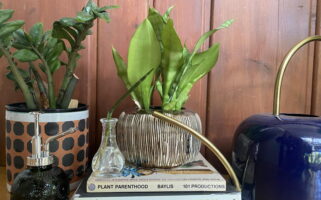
So many people avoid owning and loving houseplants because they are worried about having to water them or have failed in the past. With these low-water alternatives, you can dip your toe into the fascinating world of houseplants, without having to add a weekly watering session to your calendar. Start with one and prove to yourself that you actually can have a green thumb; you just need the right plant.