Lepidopteran Crossword Puzzle
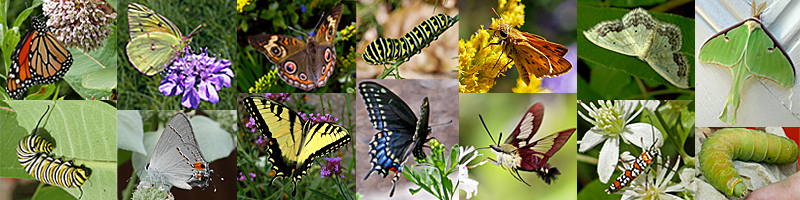
As we wind down our celebration of #PollinatorWeek, we invite you to solve a Lepidopteran Crossword Puzzle. Good luck! Answers will post tonight.
Master Gardeners of Northern Virginia
Over 40 Years of Growing Gardens and Gardeners

As we wind down our celebration of #PollinatorWeek, we invite you to solve a Lepidopteran Crossword Puzzle. Good luck! Answers will post tonight.
We cannot approach the end of Pollinator Week without celebrating monarchs. Today’s post discusses their current status and recommends ways that you can help these iconic, but threatened, butterflies. #PollinatorWeek
Today’s #PollinatorWeek post includes a list of nectar and host plants for fifty common Mid-Atlantic lepidopterans. Plants may vary from one lepidopteran to another although some attract multiple species and some feed both adults and caterpillars.
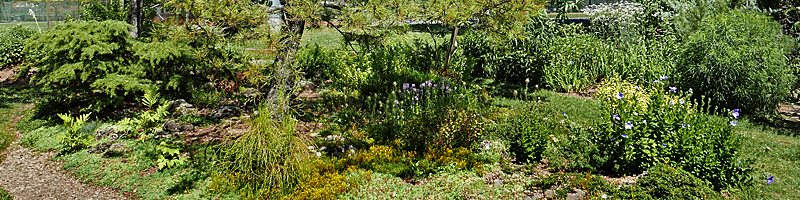
Tried and True Native Plant Selections for the Mid-Atlantic
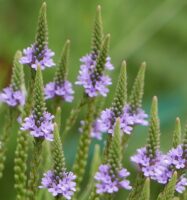
Found naturally in meadows, floodplains, and swamps (and sometimes called swamp vervain), this native blooms throughout the summer and into autumn, longer than most other perennials. Historically thought to be a cure for many ailments, it is still used for medicinal purposes today.
Featured Glossary word: Perennial
Today’s #PollinatorWeek post provides gardening tips, including those for patios/balconies, to attract butterflies and moths with the use and arrangement of nectar and host plants. Also, watch a video of a monarch caterpillar eating a milkweed leaf.
perennial: a plant that lives for more than two years or growing seasons
Perennials usually can live from three to hundreds of years, with new growth from a perennating (renewing or persisting) part.