Fall Colors in the Shade Garden
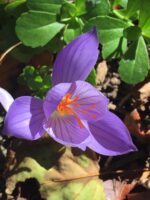
by Dina Lehmann-Kim, Master Gardener Fall on the East Coast usually conjures up the colors associated with the incredible display of the season’s changing leaves— brilliant oranges, fiery reds, and …

Master Gardeners of Northern Virginia
Over 40 Years of Growing Gardens and Gardeners

by Dina Lehmann-Kim, Master Gardener Fall on the East Coast usually conjures up the colors associated with the incredible display of the season’s changing leaves— brilliant oranges, fiery reds, and …
by Master Gardener Nancy Dowling Enough already, the tomatoes seem to be screaming. It’s too hot; you expect too much from me. And I agree. It is too hot to put …
We’ve survived a long siege of fairly relentless heat this summer as July brought day after day of 90-degrees and higher, with humidity also pushing the limits. Some plants love the heat and are thriving, while others have passed the flowering bursts of spring and early summer and started setting seed or gone dormant.
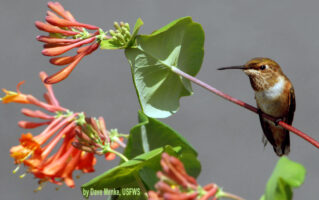
Sometimes moth species, like the white-lined sphinx (Hyles lineata) above, are mistaken for hummingbirds. Unlike most moths, it often feeds during the day. At first glance, its bulk, rapid wing movement, swift flight, and habit of hovering as it feeds resembles that of a hummingbird. No wonder these insects also are referred to as hummingbird moths.
Written by the MGNV Organic Vegetable Demonstration Garden Master Gardeners, with special thanks to Debbie Siegel and Tom Laughlin. Five Things About Growing Tomatoes Are you growing tomatoes this year? Here are …
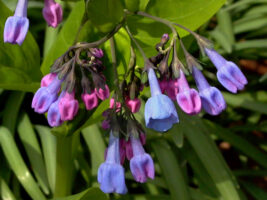
It's the time of year when Gardeners talk enthusiastically about “Spring Ephemerals,” using this term to describe native wildflowers, such as Virginia Bluebells, Trout Lily, Toothwort, Spring Beauty, Bloodroot, Trillium and Woodland Phlox. The word 'ephemeral' often means short-lived, but in the case of native plants, transitory is more accurate.