Notes from the Organic Vegetable Garden (OVG)
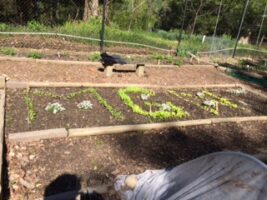
In beautiful Potomac Overlook Regional Park Many people, when thinking about growing vegetables, associate spring with the beginning of effort. They would be wrong. The truth is that many of …

Master Gardeners of Northern Virginia
Over 40 Years of Growing Gardens and Gardeners

In beautiful Potomac Overlook Regional Park Many people, when thinking about growing vegetables, associate spring with the beginning of effort. They would be wrong. The truth is that many of …
In 2016 MGNV won both Green Patriot Award and the People's Choice Award! And VCE's Family & Consumer Science Extension Agent Jennifer Abel won the individual award! A clean sweep for VCE!
Master Gardener Judy Funderburk has just won Arlington County’s Bill Thomas Outstanding Park Service Volunteer for 2015, an honor richly deserved. You know Judy as a stalwart and universally beloved member of MGNV and an enthusiastic and indefatigable leader at the Glencarlyn Library Community Garden in South Arlington, where she gladly shares her vast knowledge about horticulture and plants.
Did you know that one-third of the world's pine species are represented at the State Arboretum of Virginia? Do you its history, including the "radiation pit" era? Check out five things you probably don't know about the State Arboretum of Virginia!
Our occasional series on “five things you don’t know about…” covers all things gardening and DC area. This month, we highlight Virginia Cooperative Extension Agent, Kirsten Conrad.
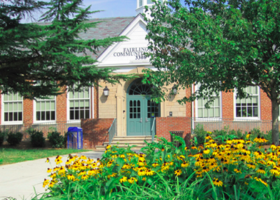
Our occasional series on “five things you don’t know about…” covers all things gardening and DC area related. This month, we explore Fairlington Community Center.
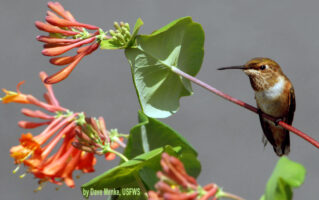
Sometimes moth species, like the white-lined sphinx (Hyles lineata) above, are mistaken for hummingbirds. Unlike most moths, it often feeds during the day. At first glance, its bulk, rapid wing movement, swift flight, and habit of hovering as it feeds resembles that of a hummingbird. No wonder these insects also are referred to as hummingbird moths.
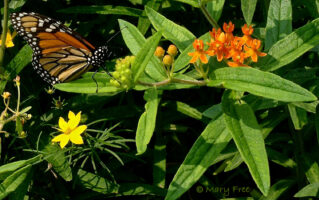
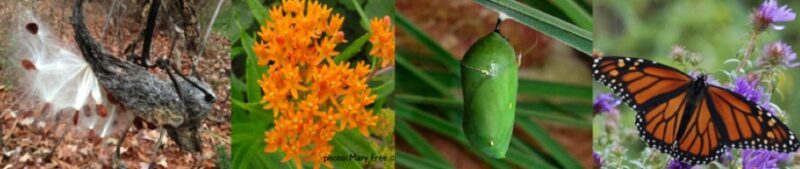
One of the joys of summer is to watch butterflies flaunt their shapes and colors by flitting, floating and fluttering from flower to flower. Attracted to clustered or composite blooms that are bright, red, purple, blue, and yellow, they pick up and transport pollen on their legs and wings.
National Pollinator Week - See how MGNV can help you "Go Native!" with pollinators.
Written by the MGNV Organic Vegetable Demonstration Garden Master Gardeners, with special thanks to Debbie Siegel and Tom Laughlin. Five Things About Growing Tomatoes Are you growing tomatoes this year? Here are …
Today is National Poison Ivy Day! This second annual event is the best opportunity to celebrate poison ivy Toxicodendron radicans). Poison ivy (PI) is the most misunderstood and under-appreciated native plant of the mid-Atlantic. Some think it is close to threatened status because it is so widely despised and removed.
Written by Mary Free, Certified Master Gardener So far, our Photographing the Tried and True Sheets series has explored how best to capture photographs of various plants, including trees, flowers and fruits. You …
Written by Mary Free, Certified Master Gardener Part One of Photographing the Tried and True Sheets explored how best to capture the forms of plants and trees in photographs. You can …
Written by Mary Free, Certified Master Gardener In a major improvement, Tried and True Plant fact sheets now provide photographic images that highlight native plants grown in MGNV demonstration gardens …
By Christa Watters, Extension Master Gardener The Garden as Artifact Garden: n. Planted area of ground, a plot of ground where plants such as fruits, vegetables and flowers are grown. …
Last week we talked about the origins of 4-H. Now let’s focus on 4-H chapter closer to home. In Virginia, approximately 20,000 adults and teens volunteer their time and energy annually to help more that 170,000 Virginia youth learn leadership, citizenship and life skills while discovering how to build on their own ability to make good decisions, manage resources wisely, work effectively with others and communicate successfully.
Master Gardeners don't just volunteer with VCE and MGNV. They also share their expertise with the wider community. In the first of this occasional series, Master Gardeners in our Community, MG Gabriel Eberhardt looks at the history of 4-H. Part two of his article (posted next Sunday) will explore 4-H closer to home, in Alexandria.
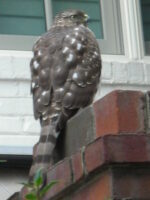
By Christa Watters On a recent morning when I went out to the patio to fill the bird feeder, I looked up and thought maybe the neighbors had put one of …
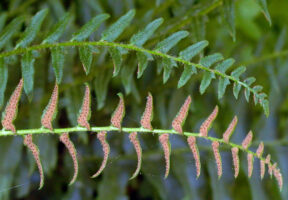
Appreciate the winter garden by focusing on evergreen ferns and the beauty of bare trees.
What do Persimmons, Poe, and Painting have in common – besides the letter P?!? All three were exciting happenings in the Library Garden this fall.
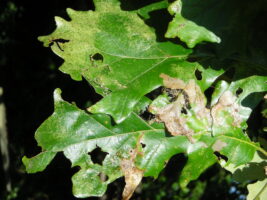
The white oak is said to be the most useful tree in North America. This eastern species is known for the strong wood and silvery-gray (“white”) bark of its straight trunks. But its usefulness goes much further.
The Bluemont Bird and Butterfly Garden began around 2004. The space, which had been just another parking lot island, was filled with various flowering perennials and shrubs and was used and maintained by park rangers. When the county changed its policies regarding ranger assignments, no rangers were permanently assigned to the park and it fell into disrepair.
Alice Nicolson has been a master gardener since 1980. She began volunteering at the Help Desk at Cooperative Extension that year and has been an unfailing participant in Master Gardener activities ever since, sharing her expertise, her love of taxonomy (it’s even part of her e-mail handle) and her keen sense of observation with each generation of incoming students.
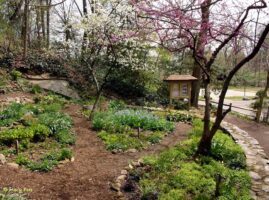
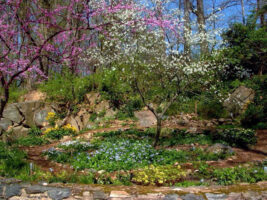
Written by Mary Free, Certified Master Gardener After one of the warmest winters on record, the March Shade Garden (pictured below) in Bon Air Park was awash in color with …